For hospitals, properly cleaning and disinfecting reusable medical equipment is non-negotiable. Manufacturers continue to evolve their guidance as patient safety and infection prevention remain top priorities, and healthcare organizations need to evolve their processes alongside it.
For hospitals using BD Alaris infusion pumps, recent cleaning protocols reinforce the importance of following standardized manufacturer guidance. But more rigorous cleaning requirements can create an operational challenge of their own: equipment may spend more time out of circulation. In fact, the most recent cleaning protocol for the BD Alaris pump includes 15 minutes of absolute, uninterrupted air-drying time.
Every additional step in the cleaning process takes time, and when new cleaning protocols add time to an existing process, workflow is disrupted and necessary equipment becomes unavailable. Every minute a pump spends waiting to be collected, cleaned, inspected or returned to circulation is time it isn’t available for patient care.
How can hospitals maintain compliance without sacrificing infusion pump availability?
The hidden cost of more rigorous cleaning
Proper cleaning of reusable patient care equipment plays an important role in infection prevention. But doing it right takes time.
A study published in the Journal of Infection Prevention examined the concept of sufficient “time to clean” — the protected time healthcare workers need to clean reusable equipment according to established procedures. Researchers noted that frequently cleaning patient care equipment can place a substantial burden on nursing and support staff.
As cleaning requirements become more rigorous, that burden grows and has an outsized impact on equipment workflow:
- Longer turnaround times. Pumps spend more time between their last use and next availability.
- Fewer pumps in circulation. Equipment that takes longer to clean means fewer units are available to clinicians who need it.
- More pressure on support teams. Central Sterile, Clinical Engineering and Central Supply have more equipment to collect, process and redistribute.
- Perceived lack of inventory. Complaints about a lack of pumps can mean increased rentals or purchases, even when the hospital has enough equipment overall.
The issue, then, may not be how many pumps a hospital owns. It may be how much time those pumps spend somewhere between patient use and their next use.
Compliance and equipment availability don’t have to compete
More rigorous cleaning requirements can keep pumps out of circulation longer, but that doesn’t necessarily mean hospitals need to purchase more equipment. Before adding inventory, hospitals should understand whether the pumps they already have are moving efficiently through the cleaning process.
Hospitals don’t have to choose between meeting manufacturer cleaning requirements and keeping infusion pumps available. Better operational awareness can help them support both.
That starts with understanding where equipment is throughout the cleaning lifecycle. Can your teams answer:
- Where are pumps waiting to be cleaned?
- Which pumps are ready to return to service?
- How long are pumps sitting at each stage of the workflow?
- Where are bottlenecks occurring?
- Which departments are running below desired inventory levels?
Consider what happens without those answers. A soiled pump sits on a unit waiting for collection. Somewhere else, a cleaned pump is ready for use but hasn’t been redistributed. Meanwhile, another department is searching for a pump and reporting an equipment shortage.
What looks like an inventory problem may actually be a workflow problem. By identifying where pumps spend unnecessary time out of circulation, hospitals can improve availability without rushing the cleaning process or immediately turning to additional equipment purchases.
What a smarter equipment workflow looks like
This is where proactive equipment management can change the equation.
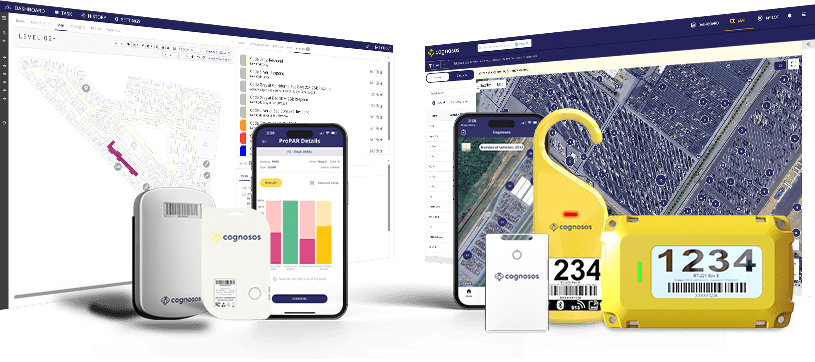
Cognosos ProPAR gives Central Supply and Biomed teams real-time visibility into asset counts and PAR-level thresholds across the hospital.
In practice, that means:
- Knowing which equipment needs attention. Teams can see equipment location and status, including assets ready for cleaning or recirculation.
- Spotting bottlenecks. Asset movement and dwell-time insights help identify where equipment is spending too much time in cleaning, maintenance or other stages of the workflow.
- Staying ahead of shortages. Automated PAR-level notifications alert teams when inventory falls below established thresholds.
- Managing by exception. Teams can focus on the departments and equipment that need attention instead of manually checking every area.
- Understanding how inventory is actually being used. Utilization and movement data help hospitals distinguish a true inventory shortage from an equipment-flow problem.
The goal is to make sure pumps get to cleaning when they should, receive the time required for proper processing and get back into circulation when they’re ready.
Learn how Cognosos ProPAR can help your hospital proactively manage equipment availability and keep critical assets moving.