Rural hospitals are facing a generational crisis. Due to projected reductions in federal Medicaid spending and other revenue resources, rural areas are expected to absorb an estimated $137 billion of those cuts. For rural health providers already operating on thin margins and struggling to retain staff, that’s a challenge that will push many facilities to the breaking point.
The Rural Health Transformation Program (RHTP) is the federal response: a $50 billion capital injection—$10 billion annually from 2026 to 2030—administered through states and designed to stabilize the rural health system and force real innovation.
This is not a blank check. These funds demand investments in technology, value-based care, and operational efficiency. Hospitals that treat it like a windfall will miss the point—and likely the funding. Those who align their priorities with the program’s mandate will secure resources that could define their next decade.
What the Program Is Actually Designed to Fund
Every state’s transformation plan must align with federal goals, including workforce development, sustainable access for Critical Access Hospitals, innovative care models that shift from fee-for-service to value-based payment, and technology modernization—digital tools, telehealth, and infrastructure that brings modern care closer to home.
That last category is where many rural hospitals underestimate their options. Transformation doesn’t always mean large-scale clinical overhaul. Some of the highest-impact improvements happen in daily operations.
Where Real-Time Location Systems (RTLS) Fit In
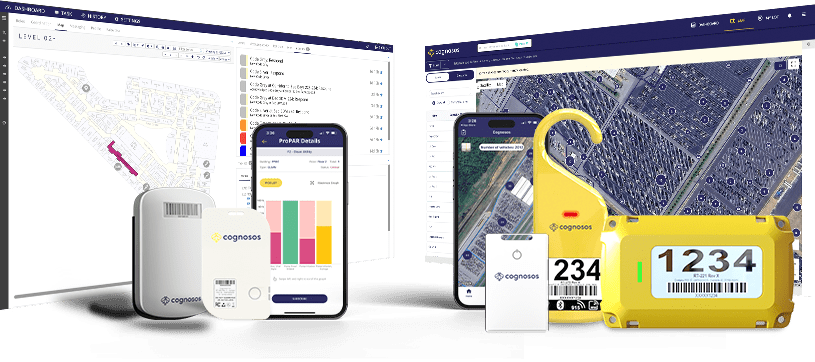
RTLS maps directly to the Rural Health Transformation Program’s core objectives—which is why it’s increasingly being positioned as a priority project for grant funding.
Consider what it actually delivers:
- Staff Safety and Retention: Workforce challenges aren’t just about hiring—they’re about keeping people safe and supported. RTLS enables real-time staff duress alerts and visibility, creating a safer work environment. In rural settings, where staffing is already stretched thin, retaining staff is critical.
- Recruitment Advantage: Modern clinicians expect modern environments. Technology that improves safety, reduces friction, and supports care delivery can be a differentiator when competing for talent.
- Operational Efficiency Through Asset Management: Rural hospitals don’t have the luxury of excess staff or resources. RTLS helps teams locate equipment instantly, reduce time spent searching, and optimize workflows. Patient care hours are recaptured without adding headcount.
- Patient Safety Through Environmental Monitoring: From temperature-sensitive medications to infection control protocols, real-time monitoring ensures critical conditions are maintained—without manual checks.
Taken together, these aren’t marginal efficiency gains. They’re the kind of measurable, data-driven improvements that demonstrate progress against RHTP performance metrics—which directly influence your future funding levels.
The Window Is Open—For Now
States are actively shaping their RHTP allocation strategies. The hospitals that help define those plans—rather than waiting to respond to them—will have the strongest position when funds are distributed.
Your first step: understand who controls the variable allocation funds in your state, what performance data you’ll need to submit, and how your technology investments align with your state’s specific priorities.
Our state-by-state blueprints streamline that work for you. Download your state’s blueprint for transformation, including:
- Key contacts controlling variable allocation fund
- Critical submission deadlines
- A resources library aligned to your state’s specific priorities
You can also schedule a consultation with a healthcare grant professional to map your technology investments directly to your RHTP strategy.
Explore how RTLS can support your funding priorities and get your state-specific blueprint today: cognosos.com/rhtp